

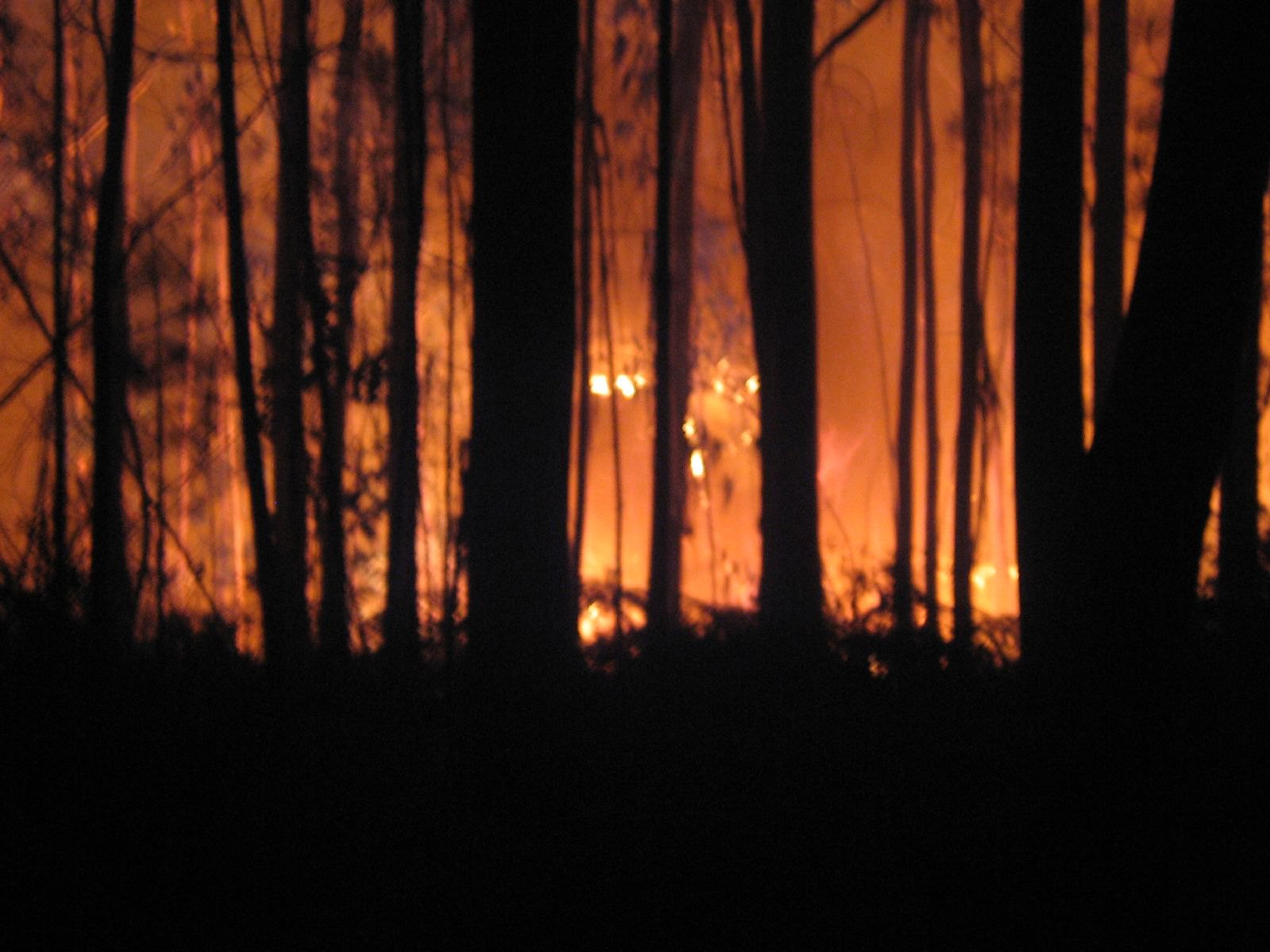


The devastating fires affecting the provinces of Madrid, Ávila and Toledo have scorched more than 77,000 hectares and left tens of thousands of people affected. The lack of mobile coverage is also preventing those affected from communicating with family and loved ones.
The flames have destroyed masts and fibre-optic cables, cutting off entire communities and hampering emergency response efforts. In light of this critical situation, Starlink has activated its direct satellite connectivity service for emergencies in Spain for the first time.
This measure has been made possible by an agreement between the Ministry for Digital Transformation (Ministerio para la Transformación Digital y de la Función Pública), Movistar, MasOrange and Starlink, which has allowed terrestrial mobile frequencies to be used from space.
Elon Musk’s company confirmed on its official X account that “Starlink Mobile is providing free connectivity to MasOrange and Movistar customers in the regions affected by the wildfires near Madrid. Families, communities and businesses with compatible LTE smartphones can now stay connected through SMS even if terrestrial networks are not available and customer phones will automatically connect to Starlink Mobile”.
The service, which appears on phones as “Orange SpaceX”, uses low-orbit satellites that function as mobile phone masts in space. This technology, known as Direct-to-Cell, allows conventional mobile phones to connect to the satellite network when terrestrial networks are unavailable.
How to access the Starlink emergency network
If you are in the areas affected by the fires and are a Movistar or MasOrange customer, your phone will automatically connect to the satellite network when there is no terrestrial coverage. You do not need to install any apps, configure anything, or have a special antenna.
Connection requirements:
- Be a Movistar or MasOrange customer (including the group’s brands) in the affected areas
- Have an LTE (4G)-compatible phone. Most smartphones released in the last four years are compatible, including iPhones (running iOS 16 or later), Samsung models, Google Pixel, and other brands.
- Have a clear view of the sky. If you are inside a building or under trees, the connection may be hindered.
- In case you have no coverage indoors, go out onto a balcony, to a window or to an open space. Your mobile should detect the satellite network within a few seconds.
Also, bear in mind that latency is high and data speeds are usually slow. The service is optimised and limited to sending and receiving text messages during emergencies; it is not designed for fast data transfers or other everyday uses such as voice calls, browsing the internet or using data-intensive apps.
However, in a crisis, this basic connection can make all the difference, allowing those affected to let others know they are safe, coordinate evacuations or assist rescue teams.
Checking for satellite connection
When your phone loses its terrestrial signal and connects to the satellite network, you may see your network provider’s name change to ‘Orange SpaceX’ on the screen.
The service is temporary and will remain active for the duration of the emergency. This activation represents a head start on the technology that Orange and Starlink had been testing for months in Valladolid with the Ministry’s permission. Although it was initially planned as a commercial service for the future, the scale of the fires has accelerated its roll-out as an emergency measure.
It is important to remember that this is an emergency solution for the affected areas and does not replace conventional telecommunications networks. Movistar, Orange and Vodafone are continuing to work on the ground to restore the damaged infrastructure.
Image: Flickr