


Robotics has long been associated with large companies that can afford expensive equipment, specialized engineers and the infrastructure needed to deploy it. A new generation of robotics startups is testing a different model: putting those machines in the hands of smaller operators and building a business around the technology.
The approach is particularly relevant in service industries where automation can take over some of the more dangerous or repetitive tasks without eliminating the need for people to run the business.
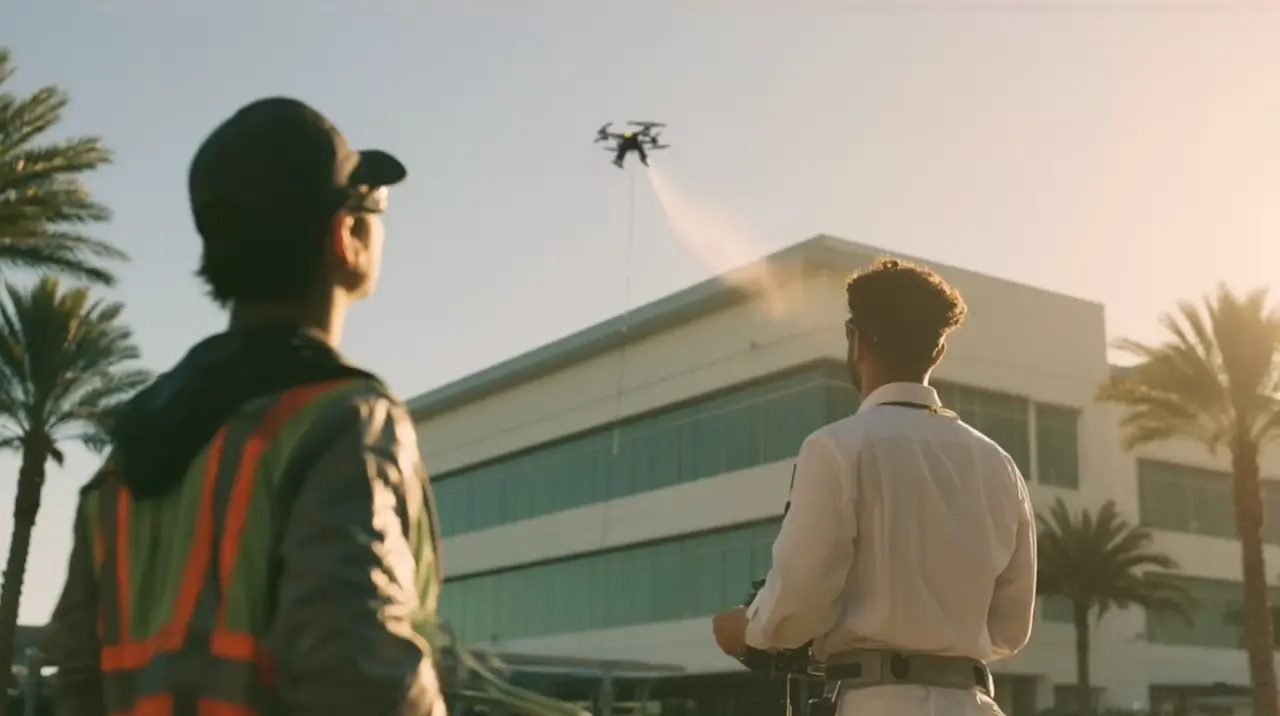
Commercial cleaning is one example. Drones have already been used to clean building exteriors, but owning the equipment is only one part of starting a business. Operators also need training, certifications, customers and contracts.
That gap between having access to a machine and having a viable business is where SkyPSI is placing its bet.
From selling robots to building businesses around them
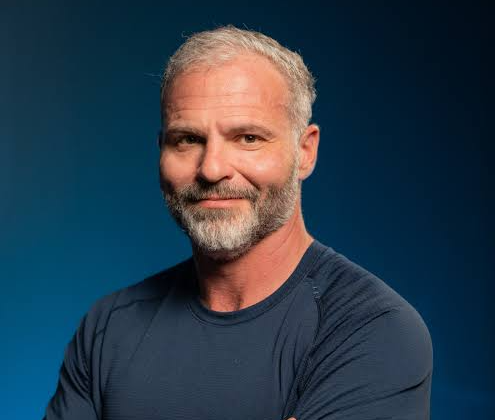
The Dallas-Fort Worth-based company launched with $5 million in capital from founder and CEO Vic Pellicano, who is positioning SkyPSI as infrastructure for independent operators rather than simply another robotics provider.
The company provides professional cleaning drones, trains and certifies operators, and connects them with commercial cleaning contracts that SkyPSI has already secured.
The operators remain independent, with their own companies, vehicles and crews. The drone takes on part of the exterior cleaning work, particularly tasks that can expose workers to significant physical risk.
That model changes the economics of adopting robotics. Instead of requiring an individual entrepreneur to purchase technology and then figure out how to generate enough demand to justify it, SkyPSI is attempting to bring equipment, training and commercial work together.
Pellicano has described the model as a way to give working-class entrepreneurs access to the same kind of leverage that technology has provided to software businesses.
“For working-class people the tradeoff was always the same: you traded your body for a paycheck. Not anymore. The robot takes the risk. You take the contract. And this time your name is on the company.”
The company is initially targeting commercial properties including hotels, senior living communities, office buildings, multifamily and HOA communities, medical facilities, parking structures, and retail and mixed-use developments.
A different path for robotics adoption
The commercial cleaning market gives SkyPSI a relatively straightforward starting point. According to the company, the industry is projected to reach $860 billion by 2034, while robots currently account for roughly 1% of the market.
That leaves a large portion of the industry operating through traditional labor-intensive processes, including exterior cleaning work that can require workers to operate at height.
SkyPSI’s argument is that robotics can expand what small operators are able to offer rather than simply reducing the number of people doing the work.
The company is starting in Dallas-Fort Worth and plans to expand through the Texas Triangle before entering additional U.S. markets.
For Pellicano, the idea is also tied to his own experience with technology. He founded software company Verenia, which was acquired by Oracle in 2022, and later founded AI drone company Avianna, which was sold in 2024. He is now putting $5 million of his own money behind SkyPSI.
“Tech turned a homeless kid from a trailer park into a multimillionaire,” Pellicano said. “I’m putting $5 million of my own money into making sure working people get the same shot. Machines should take the strain. People should take the profit.”
The broader question is whether this model can extend beyond building cleaning. Robotics-as-a-service is increasingly lowering the barrier between owning a machine and using one as part of a business, particularly for smaller companies that cannot justify large upfront investments.
If that trend continues, the impact of robotics may be measured not only by how many tasks machines perform, but by how many new businesses those machines make possible.