


U.S. launch company LEAP has signed a Memorandum of Understanding with Highlands and Islands Enterprise (HIE) to develop recurring launches from Sutherland Spaceport in northern Scotland. The site would be LEAP’s first launch base outside the United States and its way into a European market that is short on rockets.
The agreement adds a new name to a crowded field. Over the past year, ESA has handed out its first European Launcher Challenge contracts, Germany’s Isar Aerospace has flown the first commercial launch from European soil, and Spain has bet heavily on PLD’s Miura 5.
LEAP, a Colorado company that builds mass-producible rockets for a logistics network designed to move cargo anywhere on Earth or into orbit within minutes, now wants a seat at that table too.
The MOU is non-binding, and any launch from Sutherland will still need technical assessment, regulatory approval and final commercial contracts. LEAP says it is strongly considering the UK for its European headquarters.
What LEAP is planning in Scotland
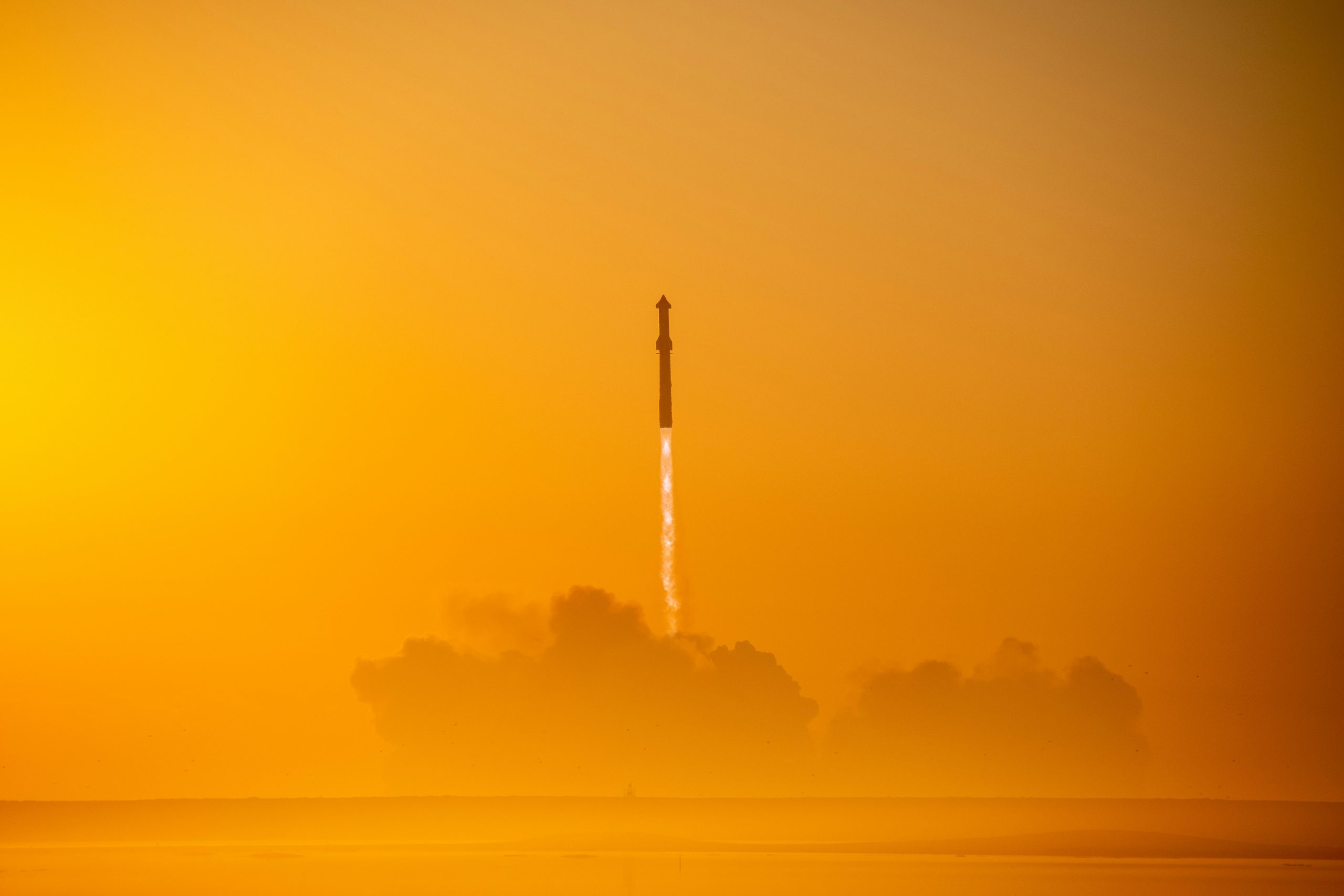
LEAP would start at Sutherland with Bullfrog, a reusable single-stage rocket that first flew from the Mojave Desert in May, before moving to Bighorn, its larger vehicle for suborbital, point-to-point and orbital missions. Bighorn’s first orbital flight is targeted for 2028.
The company’s model rests on volume and mobility. Each of its modular factories is designed to build more than 30 vehicles a year, and its launch equipment is containerised so it can be moved to wherever customers need it.
In Mojave, Bullfrog flew less than 30 hours after arriving at the range.
“Sutherland is an ideal starting point for a network that begins in Europe,” said LEAP CEO Chris Beckman.
Sutherland itself has had a rough few years. Its original operator, Scottish rocket maker Orbex, entered administration in February, and HIE bought the site’s assets back in August.
Europe’s demand, and Spain’s bet on meeting it
The appetite for new launchers is coming from Brussels as much as from industry. In September, EU Space Commissioner Andrius Kubilius warned that Europe’s launch capacity is falling behind demand, with EU programmes alone expected to need 62 launches by 2034. He said Ariane is planned to fly ten times a year, while the EU expects to need 14 Ariane launches in 2031.
ESA’s answer has been to back a new generation of smaller providers. In August, it signed €543.6 million in European Launcher Challenge contracts with Isar Aerospace, Rocket Factory Augsburg and PLD Space, which received €158.9 million. Madrid put its full Launcher Challenge allocation behind PLD at ESA’s 2025 ministerial meeting, according to Payload.
The Elche-based company is getting close. PLD now targets a first Miura 5 flight before mid-2027 from its new pad at the Guiana Space Centre in Kourou, after manufacturing three vehicles in parallel. It has said it wants to fly more than 30 times a year by 2030.
Spain’s wider space sector is growing alongside it. Science Minister Diana Morant said in September that the industry hit record revenue of €1.5 billion in 2025, growing by more than 15% a year. Through its space agency in Seville, Spain has also committed €1.854 billion to ESA for 2026 to 2030, about 8.5% of all member state contributions.
More launch sites, more options for startups
For European satellite startups, more launchers and more launch sites should mean shorter waits and better prices. Kubilius has argued that Europe’s emerging spaceports need to work together, sharing services the way airports do, to raise launch cadence.
A mobile operator like LEAP, flying from a remote site in the Scottish Highlands, fits that idea.
The UK, outside the EU but still part of ESA, has yet to host a vertical launch. SaxaVord in Shetland holds the country’s only full licence, and Rocket Factory Augsburg’s first flight there has been delayed.
Spain has its own longer-term ambitions on home soil, with El Hierro in the Canary Islands long discussed as a possible launch site.
HIE says Sutherland is open to more than one operator. “There’s worldwide demand for modern launch facilities and Sutherland is perfectly positioned to be used by a range of companies,” said David Oxley, the agency’s director of strategic projects.
Featured image: nader saremi via Unsplash+
Disclosure: This article mentions a client of an Espacio portfolio company.