


Spain’s logistics and transportation sector is at a critical crossroads. Driven by a relentless e-commerce boom, an aging workforce, and a highly fragmented market, Spanish fleets are under immense pressure to do more with less as they strive to meet the real-time demands of modern supply chains.
As global supply chains face unprecedented volatility, the solution for many operators is shifting from traditional manual planning to artificial intelligence.
At the center of this transformation are companies like Transmetrics, an AI logistics platform aiming to streamline operations without disrupting the daily workflows of dispatchers. In an exclusive interview with Novobrief, Asparuh Koev, CEO of the company, unpacked the unique challenges of the Spanish market and how AI is moving from a buzzword to a critical survival tool.
Real-time logistics for the e-Commerce era
The traditional model of weekly transport planning is rapidly becoming obsolete in Spain. With over 1.2 billion e-commerce shipments handled in 2024 and further growth on the horizon, the sheer volume and velocity of goods are forcing a paradigm shift, especially since over 95% of these goods still move by road.
This environment demands granular, time-critical parcel flows rather than static, full-truckload scheduling.

“If you look at Spain today, e‑commerce is turning transport planning from a weekly exercise into an almost real‑time discipline,” explains Koev. “That combination pushes planners to think less in terms of “full truckloads next week,” and more in terms of dense, time‑critical parcel flows in specific corridors.”
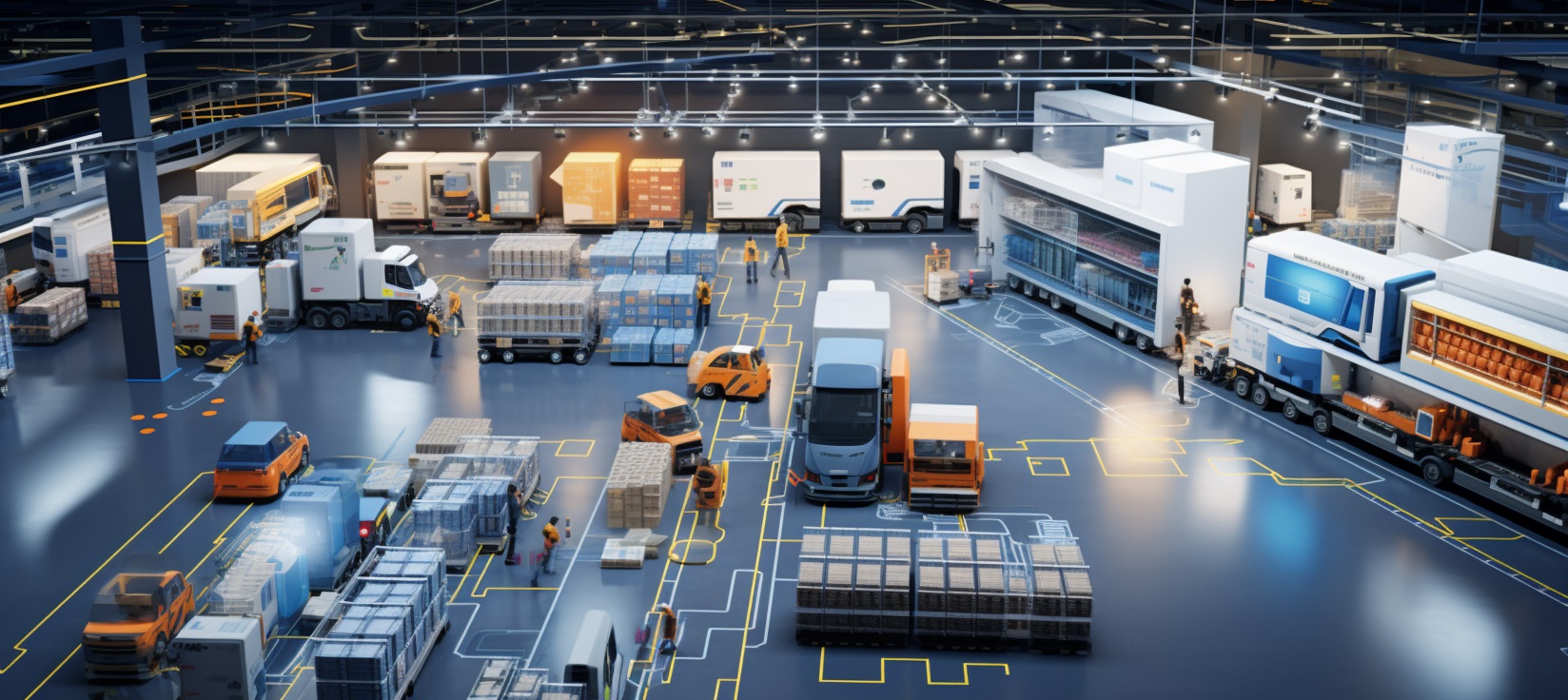
The transformation is also changing the physical design of urban logistics networks. To keep pace with growing delivery volumes while complying with environmental regulations, carriers are increasingly investing in urban consolidation centres, micro-hubs and smaller delivery vehicles. At the same time, AI-powered routing systems enable transport plans to be recalculated throughout the day, allowing operators to respond more quickly to congestion, changing demand and last-minute disruptions.
“In practical terms, this means more focus on last‑mile capacity around Madrid, Barcelona and other large cities, where access restrictions and low‑emission zones collide with tight delivery windows. The planning question is no longer just “how do I fill my trucks,” but “how do I fill them with the right mix of e‑commerce demand while meeting city rules and customer promises,” Asparuh said.
Navigating Fragmentation and the Driver Shortage
Beyond the e-commerce surge, Spain’s logistics landscape is heavily fragmented. Tens of thousands of transport companies operate across the country, with the top ten accounting for only about 23% of sector revenue. This results in a patchwork of legacy systems, spreadsheets, and manual processes. Furthermore, the industry is grappling with a severe labor crisis, missing roughly 30,000 professional truck drivers.
Rather than enforcing a massive overhaul of existing IT infrastructure, Transmetrics advocates for integrating AI into whatever systems operators are already using.
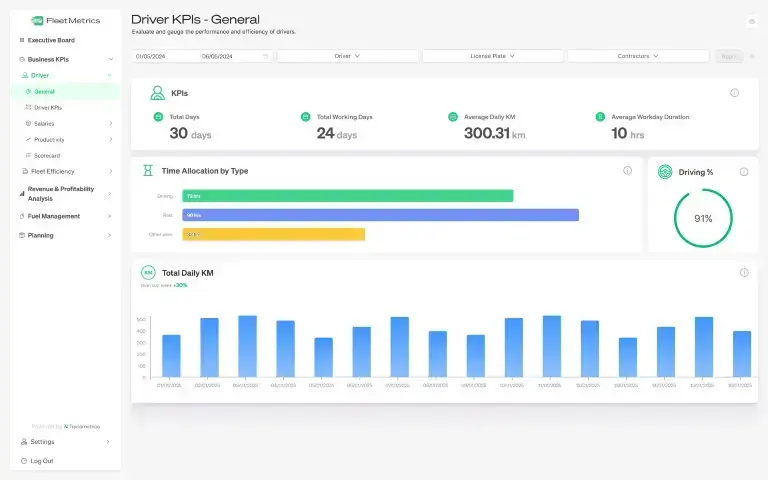
“Our approach is to start by connecting to whatever data exists, cleaning it, and building a single coherent view of operations, rather than forcing a big‑bang system replacement. We integrate telematics, TMS data where available, and even structured exports from legacy tools,” the CEO notes. “This is important in Spain, where appetite for disruption is limited, and tools have to fit into daily work, not sit beside it.”
When it comes to the labor shortage, AI cannot put more hands on the steering wheel, but it can optimize the workforce that is currently available. By reducing empty kilometres and smoothing out demand, technology can directly impact the daily lives of drivers.
“AI will not create new drivers, but it can make far better use of the ones we have. By improving routing, reducing empty kilometres, and smoothing demand across time and lanes, AI helps planners build schedules that use driver hours more effectively and avoid waste. In short, AI is a tool to increase the productivity and quality of life of drivers, not a replacement for them.” In practice, this is the kind of visibility Transmetrics’ FleetMetrics gives dispatchers — surfacing which drivers and vehicles are underutilized so planners can rebalance before kilometres go to waste.
Absorbing Geopolitical Shockwaves
Local challenges are only half the battle. European logistics providers are also dealing with macro-level disruptions, from energy shocks to shifting trade routes. Planning has moved away from single forecasts toward dynamic scenario thinking.
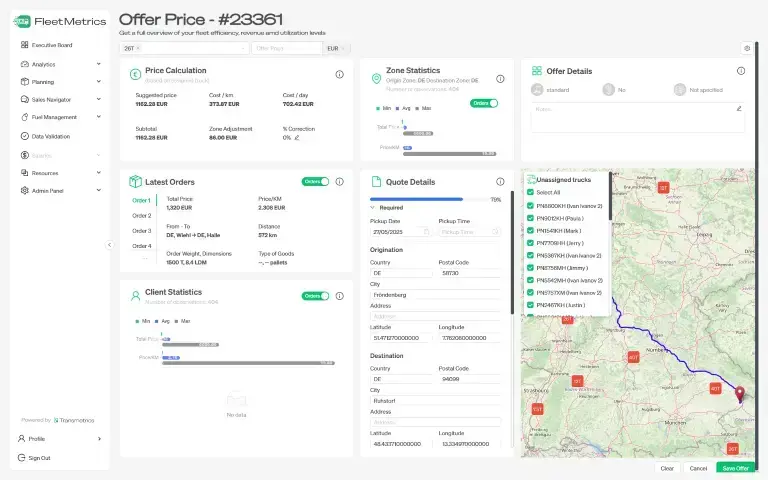
In this context, AI serves as an analytical anchor, processing vast amounts of market data to highlight profitable lanes and suggest capacity reallocations. Transmetrics’ own SpotLoad, for instance, scores and prices freight opportunities in real time with AI so planners can see at a glance which lanes are worth chasing and which aren’t.
However, the technology has its boundaries, and maintaining realistic expectations is vital. “Geopolitical tensions, trade disputes, and energy shocks are making supply chains less static and more experimental. AI’s role here is to help absorb that complexity without promising magic. It can process large volumes of operational and market data… Where I see the limits is in predicting genuinely new shocks; the systems are strongest when they recognise patterns that have appeared before and help react faster, not when they try to guess the next political decision or conflict.”, explains Asparuh Koev.
Closing the Gap in Southern Europe
Historically, Southern European markets have trailed behind their Northern counterparts in the adoption of AI-driven logistics tools. Tighter margins, smaller operational scales, and a cultural preference for tested, manual methods have made digital transformation a harder sell. Yet, initiatives like Digital Spain 2025 and a growing demand for pragmatic tools with clear returns on investment are beginning to close this gap.
Unlike generic AI layers bolted onto existing software, platforms built specifically around transport networks are proving more successful in these cautious markets. The key to adoption, according to Transmetrics, is maintaining a “human-in-the-loop” philosophy—designing tools for the planners and dispatchers who ultimately make the final call in volatile conditions.
Looking to the future, AI must become a core business function, not just a side project. “Start with the processes that hurt you most: empty runs, late planning decisions, poor visibility on lane profitability. Bring good data together, use AI to support your planners, and keep humans firmly in control of the final decisions. If you do that, these technologies become very practical allies, and Spain can move from being a cautious adopter to being a strong user of logistics AI in a relatively short time.”, concluded Asparuh Koev.